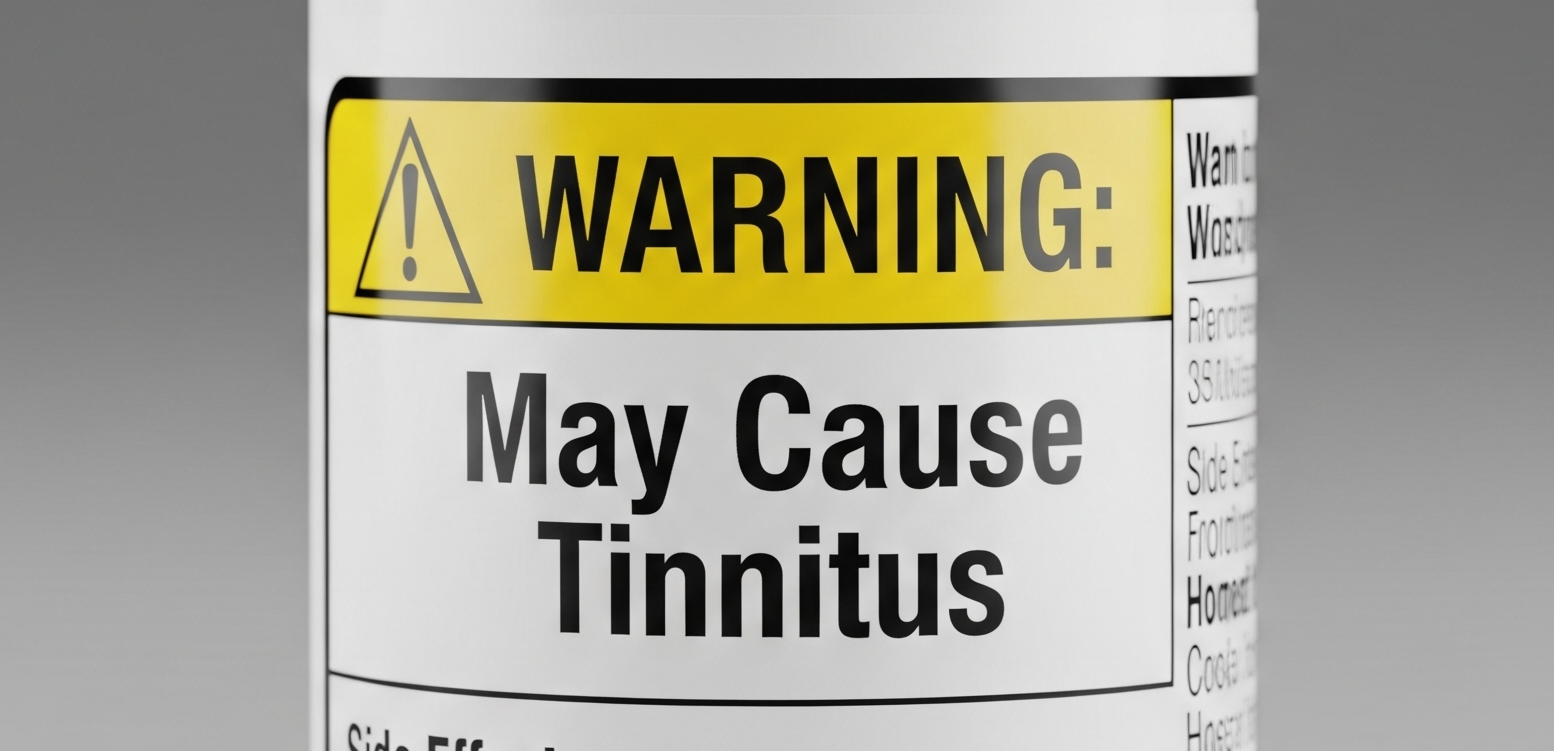
While gradual hearing loss is a natural part of aging, some individuals face a higher risk of early hearing loss and tinnitus—a persistent ringing, buzzing, or hissing in the ears. Among the most affected groups? Military veterans.
Noise exposure is an unavoidable part of military life. From gunfire and explosions to heavy machinery and aircraft, service members are frequently subjected to dangerous noise levels. This constant exposure, combined with the risk of traumatic brain injuries (TBIs), leaves veterans especially vulnerable to long-term hearing damage and tinnitus.
In fact,tinnitus is the most common disability among veterans. Despite this, many struggle to receive proper treatment due to VA claim denials, long wait times, and a general lack of awareness about available solutions. But there is hope.
What is the Connection Between Military Service and Tinnitus?
Since the 1940s, hearing loss has been a recognized issue in the military, leading to the development of specialized earplugs and noise-reducing headsets to help protect service members. However, these protections aren’t always practical in combat or training. Soldiers often need to remain alert and communicate, making traditional hearing protection difficult to use. Additionally, factors like unexpected blasts,malfunctioning equipment, and the chaos of battle make consistent hearing protection nearly impossible.
Beyond noise exposure, traumatic brain injuries (TBIs) also play a significant role in tinnitus among veterans. TBIs can disrupt the auditory system by interfering with the brain’s ability to process sound, often leading to persistent ringing or buzzing sensations. Studies show that veterans with TBIs are significantly more likely to develop tinnitus, and their symptoms tend to be more severe.
The NOISE Study
To better understand the impact of noise exposure on military personnel, the Noise Outcomes in Service Members Epidemiology (NOISE) Study was launched. This ongoing research examines hearing loss, tinnitus, and auditory processing disorders in veterans to develop better prevention and treatment strategies. The findings emphasize the urgent need for early intervention and improved hearing protection for those in active service.
How Common is Tinnitus Among Veterans?
Veterans are 30% more likely to experience hearing loss than non-veterans, and tinnitus remains one of the most frequently reported conditions among those who have served. According to the Department of Veterans Affairs (VA):
The VA is the largest employer of audiologists and speech-language pathologists in the U.S.
How Tinnitus Impacts Daily Life
Tinnitus can have a profound effect on a person’s daily life, often disrupting sleep, concentration, and overall well-being. Many veterans describe the constant ringing, buzzing, or hissing in their ears as incredibly distracting, making it difficult to focus on conversations, work, or even enjoy quiet moments. Sleep disturbances are especially common, as the absence of background noise at night can make tinnitus seem even louder, leading to insomnia and fatigue.
Beyond physical symptoms, tinnitus can also take a serious toll on mental health. Many veterans with tinnitus experience increased stress, anxiety, depression, and even social isolation due to the frustration of living with persistent noise. In some cases, tinnitus is linked to post-traumatic stress disorder (PTSD), making symptoms even more difficult to manage.
Challenges in Getting Treatment
While the VA recognizes tinnitus as a service-related disability, many veterans face significant obstacles when seeking treatment:
Denied Claims Due to Lack of Proof – Hearing damage often develops over time, and if symptoms weren’t reported during active duty, claims can be denied.
Limited Treatment Options – Many veterans are told to simply “learn to live with it,” with few alternatives beyond basic sound therapy and hearing aids.
Long Wait Times for VA Care –Many veterans seeking treatment through the VA face extended wait times to see a specialist, delaying relief.
Take the First Step Toward Relief
Tinnitus can be a life-altering condition, and for millions of veterans, it’s a lasting consequence of military service. But relief is possible.
At Hope Hearing and Tinnitus Center, we understand the unique challenges veterans face when dealing with tinnitus. Our specialized treatments are designed to reduce symptoms and improve quality of life, whether tinnitus stems from noise exposure, injury, or an underlying condition. With evidence-based solutions tailored to your needs, we’re here to help you take back control of your hearing health.
If you or a veteran you know is struggling with tinnitus, don’t wait to seek help. Early intervention leads to better outcomes, and relief is possible with the right treatment. Schedule your initial tinnitus evaluation today – because your hearing health matters, and there is hope.